

law of cause and effect : ค้นหาหนังสือธรรมะ หน้า 35 / 1
หน้าหนังสือทั้งหมด
17
The Transformative Power of Meditation
The key difference between a mind under the sway of thoughts and the mind that has come to standstill is that the latter consumes virtually no metabolic energy. When your mind starts to come to rest i
The key difference between an active and still mind is energy consumption—less energy leads to reduced thoughts and breath. As the mind quiets, inner brightness emerges, enabling objective understandi
21
Provision of Facilities for Meditation at Dhammakaya Foundation
ROVISION OF FACILITIES
W t h e steady increase of interested public coming to study meditation and culture for the raising of the quality of the mind, the Dhammakaya Foundation has led the way in the
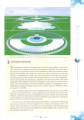
The Dhammakaya Foundation has developed purpose-built facilities to enhance the practice of meditation, accommodating a large number of meditators and fostering a serene environment. With a covered ca

45
Dhammadayada Training and Mass Ordination
Dhammadayada Training and Mass Ordination
The Dhammadayada Training Programme was the prototype training course to round off undergraduate students' (age 20-35) academic knowledge with spiritual and
The Dhammadayada Training Programme serves as a prototype for combining academic knowledge with spiritual and ethical practices for undergraduate students aged 20-35. This initiative cultivates respec

61
Dhammakaya Foundation's Educational Media
Cassettes
For the convenience in spreading Dhamma to youth around the country, Dhammakaya Foundation has produced video and audio cassette teaching materials on subjects including meditation instructi
The Dhammakaya Foundation produces a range of video and audio teaching materials, including meditation instructions, Dhamma music, and chantings to engage youth across Thailand. It operates 10 daily r
67
Dhammakaya Foundation's Role in Promoting Peace
United Nations: Non Governmental Organizations
Since August 1986 the Dhammakaya Foundation has become the United Nations - accredited Non-Governmental Organisation associated with the Department of P
The Dhammakaya Foundation has been a UN-accredited NGO since August 1986, actively participating in various peace initiatives, including the Millennium People's Assembly and the International Year for
17
The Importance of Dhamma in Modern Society
This belief encouraged those well versed in new ideas and knowledge, but lacking morals instilled by the Dhamma, to take advantage of others for selfish gain. These people sabotaged the economic and s
This text discusses how a lack of moral values rooted in Dhamma leads to selfish actions that hinder economic and social growth in Thailand. It emphasizes that worldly knowledge is insufficient withou
32
Nagasena's Enlightenment and Teachings
After listening to Rohana, Nagasena was impressed with what Rohana had to say and thus he desired to learn more about the Buddha's teachings. Nagasena then asked for permission from his parents to be
Nagasena, inspired by Rohana, sought to learn the Buddha's teachings and was ordained as a novice. Through pure living and dedicated practice, he attained enlightenment and became proficient in Buddhi
81
Direct and Indirect Benefits of Achieving Arahant Status
Direct benefits.
1. For people who no longer suffer from desire or lust, and have become an Arahant, they will receive the benefits as follows:
a. All of your old suffering from the past will disappea
Achieving Arahant status brings both direct and indirect benefits. Directly, individuals free from desire will see past suffering vanish, prevent future suffering, and embody good moral conduct, becom
83
The Importance of Dhamma in Young Lives
into the wrong hands, then this will result in death and destruction. These are people who do not have Dhamma within them."
4. You will have the opportunity to improve your self-discipline. You will
This text emphasizes the importance of Dhamma for young people, urging them to cultivate self-discipline and teamwork. It highlights the benefits of meditation for inner peace, which enhances studies.
25
Teaching Yourself Cleanliness and Discipline
6. TEACH YOURSELF
We must learn how to teach ourselves. I never had to be taught by anyone, yet I know how to do everything on my own. I didn’t know how to read or write, but I observed and I learned
This text illustrates the concept of self-teaching through the author's experiences with cleanliness. Growing up in Nakorn Chaisi, the author learned to clean meticulously without being taught by anyo
81
Effective Ways to Make Resolutions
118. EFFECTIVE WAY
TO MAKE RESOLUTIONS
Luang Por Wat Paknam taught me that the most effective way to make fruitful resolutions was to make them while focusing between their blessings. When they begin
Luang Por Wat Paknam emphasizes making resolutions with a focus between blessings during the blessing chant 'Yadtha'. Visualizing a clear Buddha image aids the resolution process, ensuring they resona
90
Endurance and Self-Improvement
136. ENDURE
Have fortitude and tolerance. Do not create any more bad karma for yourself, or you will keep running into hardships.
137. IMPROVE
We have sacrificed many things in order to pursue Perfec
This passage emphasizes the enduring qualities of fortitude and tolerance to avoid bad karma and hardships. It encourages continual self-improvement, urging readers to examine their flaws and make nec
22
The Bodhisatta's Sacrifice
The Bodhisatta, still standing in the river, folded his hands tortoise-wise and took the charm, and saluting his mother cried, “Goodbye, mother.”
The Yakkha said, “If you do not return, my son, I can
The Bodhisatta bids farewell to his mother Yakkha, grieving her death after she collapses from sorrow. He honors her with a funeral pyre and returns to Benares with his father. Upon his arrival, he de
6
การสร้างเสริมศีลธรรมในเด็กปฐมวัย
การสร้างเสริมศีลธรรมในเด็กปฐมวัย
A Proposed Sila-Dhamma Cultivation Model for Early Childhood
105
counseling in early childhood. The results summarize as follows.
1. Moral Criteria should start from
บทความนี้เสนอแบบจำลองการสร้างเสริมศีลธรรมในเด็กปฐมวัย โดยมีการสร้างความเข้าใจเกี่ยวกับศีลธรรมจากอุดมคติ เช่น ศีลธรรมจากการควบคุมตนเองและการใช้จิตวิญญาณ นอกจากนี้ยังเน้นการพัฒนาทั้งสี่ด้านคือ ร่างกาย บ
180
กลุ่มและบุคคลทั่วโลกในพระธัมฯ
กลุ่มลูกพระธัมฯ แสนสุข
กลุ่มสัมมะอะระหัง
กลุ่มหญิงยักษ์
กลุ่ม DIARY' BOOns
กองต้อนรับระดับโลก สำนักครัทธาริบาล
กองทุนรวมทุกวัน
กองบุญแก้วสำรฤดิก
กองบุญมหาทานบารมี ๑ เดือน ๑๐
เครือข่าย EQ CLUB กองปฏิสั
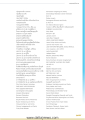
เนื้อหานี้ประกอบด้วยกลุ่มต่าง ๆ และบุคคลที่เกี่ยวข้องกับกิจกรรมในพระธัมฯ ซึ่งมีการรวมตัวทั้งในรูปแบบกลุ่มและบุคคลเช่น กลุ่มลูกพระธัมฯ และกลุ่มสัมมะอะระหัง รวมถึงองค์กรที่ทำงานเพื่อการเผยแพร่ศีลธรรมและ
68
Understanding the Body as a House
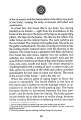
of the six senses¹ and the deterioration of the thirty-two parts of the body², causing the body to become shrivelled and unattractive.
In actual fact, this house that is our body, has craving [tanhā
This text offers a profound understanding of the human body as a metaphorical house constructed by craving. It illustrates how the various parts of the body represent different elements of a house, hi
92
Understanding the Nature of Craving and the Physical Body
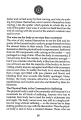
desire and carried away by their craving, and who do nothing but please themselves, never remove themselves from craving. Like the spider which spends its whole life in its web. If the spider were wis
The text discusses how craving ensnares individuals, likening them to a spider trapped in its web. It emphasizes the wise perspective on the body as impermanent and filled with impurities, urging a me
104
The Dhammakaya Tradition and Luang Phaw Wat Paknam
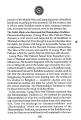
practice of the Middle Way until attaining levels of Buddhist
sainthood according to their potential. All the evidence that
is left by some Buddhist saints is their scriptural testimo-
nies, but some
The practice of the Middle Way leads to various levels of Buddhist sainthood according to individual potential. Luang Phaw Wat Paknam, the prominent monk who discovered the Dhammakaya Tradition, is re
138
The Path to Enlightenment in Buddhism
grasping [räga], hatred [dosa] and delusion [moha]. When the mind is sufficiently pure to be released from these three defilements, the mind will attain the Formless Brahma Body.
The defilements assoc
This text discusses the process of achieving enlightenment in Buddhism, focusing on the overcoming of three main defilements: grasping (räga), hatred (dosa), and delusion (moha). It explains the attai
155
King Asoka: Patron of Buddhism
by inviting 60,000 monks for alms in the palace daily. The king wanted to have the chance to pay respect to a fully-enlightened Buddha and with this end in mind, invited the Naga King to come up from
King Asoka was a pivotal figure in Buddhism, inviting 60,000 monks for daily alms and yearning to pay respect to a fully-enlightened Buddha. He invited the Naga King to appear as the Buddha for homage